
YouTube monetization requirements 2027 are changing from February 1, 2027, and the update could make monetization more challenging for new creators.
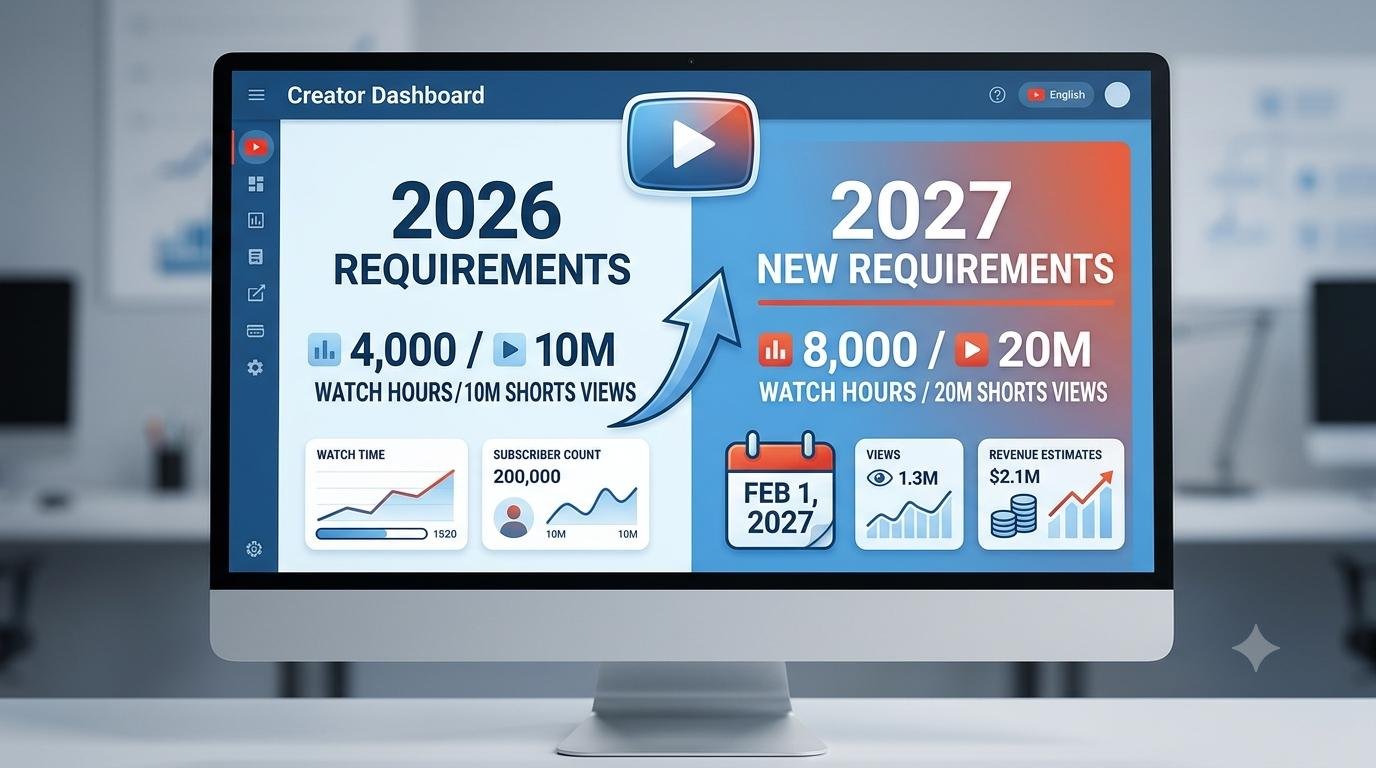
Under the current requirements for ad revenue sharing, creators need 1,000 subscribers and either 4,000 qualified public watch hours in the last 365 days or 10 million qualified Shorts views in the last 90 days.
From February 1, 2027, new creators applying for ad and YouTube Premium revenue sharing will need 1,000 subscribers plus either 8,000 qualified watch hours or 20 million qualified Shorts views.
So, what does this mean if you are planning to start a YouTube channel?
What Are the YouTube Monetization Requirements 2027?
Here is a simple breakdown of the YouTube monetization requirements 2027 compared with the current requirements.
| Requirement | Current | From Feb. 1, 2027 |
|---|---|---|
| Subscribers | 1,000 | 1,000 |
| Qualified watch hours | 4,000 | 8,000 |
| Qualified Shorts views | 10 million | 20 million |
| Watch-hour period | 365 days | 365 days |
| Shorts period | 90 days | 90 days |
The subscriber requirement remains 1,000.
The major change is that the entry thresholds for ad and YouTube Premium revenue sharing are doubling for new applicants.
Important: Meeting the numbers does not automatically guarantee monetization. YouTube reviews the entire channel for compliance with its monetization policies.
Does This Mean YouTube Is Twice as Difficult?

The higher YouTube monetization requirements 2027 mean creators may need to focus more on audience retention and consistent content.
The biggest mistake new creators make is focusing only on views.
For long-form videos, watch time depends on both views and average view duration (AVD).
For example:
- 4,000 hours = 240,000 minutes
- If viewers watch an average of 2 minutes, you would need roughly 120,000 views to generate 4,000 hours of watch time.
- If your average view duration is 6 minutes, the same 4,000 hours would require roughly 40,000 views.
That is why retention matters just as much as getting clicks.
For the new 8,000-hour requirement, the target becomes 480,000 minutes of qualified watch time.
These are simplified calculations. YouTube only counts eligible public watch hours toward the YPP threshold, and watch time from Shorts in the Shorts Feed does not count toward the long-form watch-hour requirement.
Long Videos vs Shorts: Which Strategy Is Better?
There is no single strategy that works for every channel.
However, new creators should understand the difference.
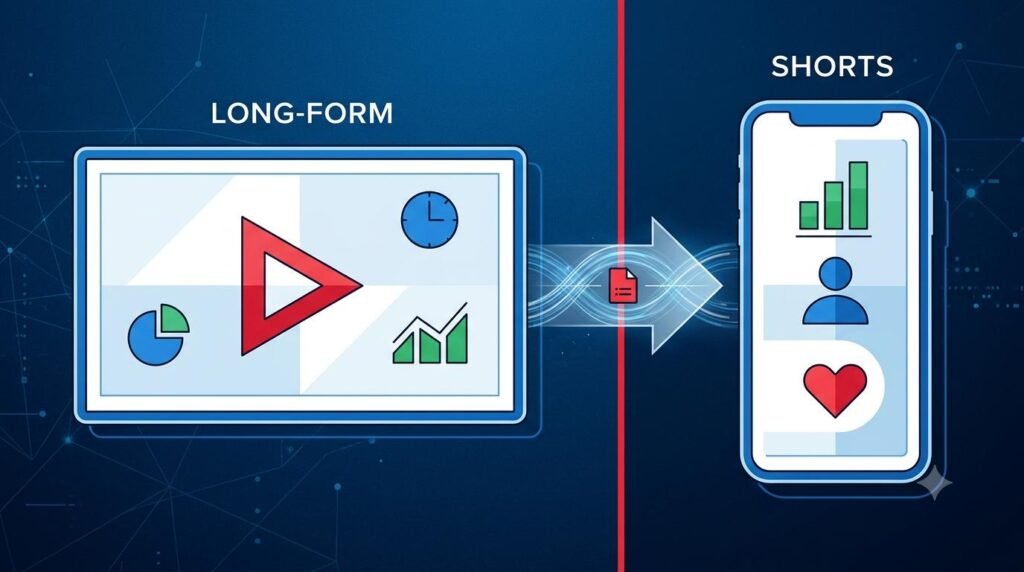
Long-form videos can gradually build qualified watch hours.
Shorts can help expose your channel to new viewers and potentially bring subscribers.
But relying entirely on the Shorts monetization threshold means targeting 20 million qualified Shorts views within 90 days under the new rules.
For many beginners, building useful long-form content and using Shorts as additional distribution can be a more practical strategy.
The Biggest Problem for New Channels
A new channel often has very little audience data.
Your first videos may receive few impressions, which can make growth frustrating.
Instead of waiting for YouTube recommendations alone, create videos around specific questions people are already searching for.
For example, an AI channel could target topics such as:
- How to use Gemini for studying
- Best AI tools for students
- How to summarize a YouTube video with AI
- How to use AI to create study notes
- Best free AI writing tools
If you’re building an AI-focused website or YouTube channel, you can also check our guide on Best AI Tools for Making Study Notes in 2026.
This approach also fits the type of AI tutorials and tool-based content we cover here at TechWithArif.
4 Simple Ways to Find YouTube Topics

1. Study Outlier Videos
Look at smaller channels in your niche and find videos that perform much better than their normal views.
Don’t copy the video.
Instead, study why the topic worked, then create something more useful, updated, or easier to understand.
2. Use Trends Without Leaving Your Niche
Trending topics can bring attention, but don’t randomly change your content.
Instead, connect a trend with your niche.
For an AI channel, a technology trend could become an AI tutorial, analysis, or explainer.
3. Read the Comments
Comments can reveal questions that the original video didn’t answer.
If viewers repeatedly ask for a beginner explanation, comparison, or step-by-step guide, that can become your next video.
4. Use AI for Brainstorming
AI tools can help you generate topic ideas, identify questions, and organize content.
But don’t let AI create a channel full of repetitive, low-value videos.
Your research, experience, examples, and explanation are what make the content useful.
How to Increase Average View Duration
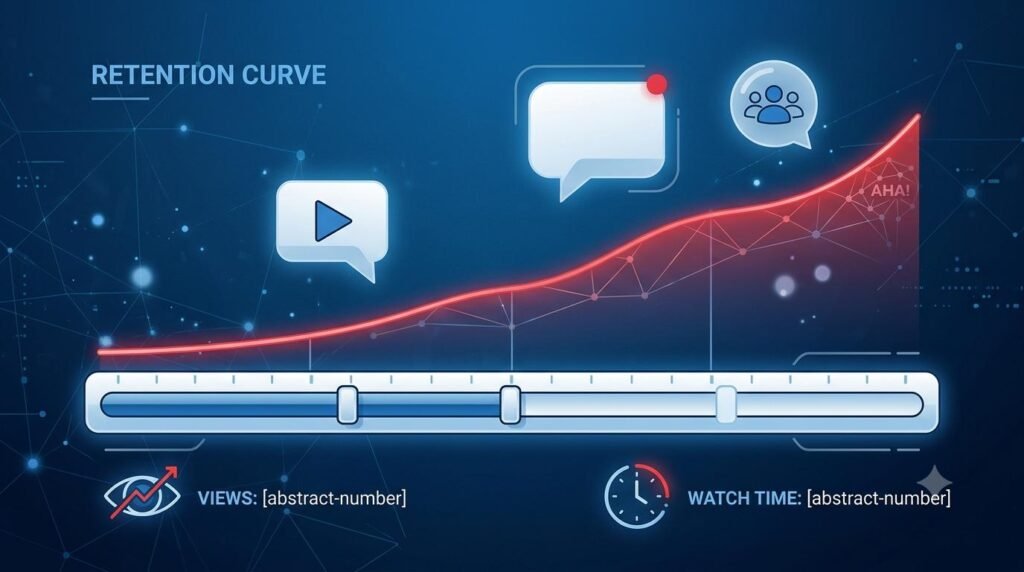
Getting a viewer to click is only half the job.
You also need to give them a reason to stay.
Start With the Problem
Tell viewers what problem you’re solving.
For example:
“If you want to edit videos using AI but don’t want to pay for expensive software, today I’ll show you some free options.”
The viewer immediately knows what they will get.
Remove Unnecessary Filler
Don’t make a video 20 minutes long just because longer videos generate more watch time.
A useful 8-minute video can be better than a boring 20-minute video.
Connect Related Videos
At the end of a video, recommend another genuinely useful video on the same subject.
For example, after a Gemini tutorial, you could direct viewers to another video about AI study tools.
This creates a natural content journey instead of forcing viewers to search for your next video.
Use Shorts to Support Long-Form Content
Understanding the YouTube monetization requirements 2027 can help new creators decide whether to prioritize long-form videos, Shorts, or a combination of both.
If you publish a long tutorial, look for useful moments inside it and turn them into Shorts.
For example, you can create a long tutorial explaining an AI tool and then turn individual tips into Shorts. You can also learn How to Summarize YouTube Videos With AI and use similar content ideas for your channel.
For example:
1 Long Video → 2–3 Shorts → More opportunities to reach viewers
The important part is keeping the same audience and niche.
If your long videos are about AI but your Shorts are about unrelated comedy, you may attract viewers who aren’t interested in your main content.
Don’t Forget the 1,000 Subscribers

The YouTube monetization requirements 2027 still include the 1,000-subscriber requirement for the ad and YouTube Premium revenue-sharing threshold.
You still need 1,000 subscribers for the ad and YouTube Premium revenue-sharing threshold.
That’s why your content should give viewers a reason to return.
Instead of saying only:
“Subscribe to my channel.”
Give viewers a clear reason:
“If you want more practical AI tutorials like this, subscribe because I’ll be covering another useful AI tool next.”
What About the 500-Subscriber YPP Level?
The higher 2027 threshold applies specifically to ad and YouTube Premium revenue sharing.
YouTube says the eligibility requirements for fan funding, YouTube Creator Partnerships, and YouTube Shopping are not changing. Eligible creators can still access these features with 500 subscribers, plus either 3,000 qualified watch hours in the last 365 days or 3 million qualified Shorts views in the last 90 days.
For the latest eligibility details and policy updates, see YouTube’s official YPP requirements and eligibility guide.
The goal is to build an audience, not simply collect subscribers.
YouTube Monetization FAQs
What are the YouTube monetization requirements 2027?
From February 1, 2027, new creators seeking ad and YouTube Premium revenue sharing will need 1,000 subscribers plus either 8,000 qualified watch hours in the last 365 days or 20 million qualified Shorts views in the last 90 days.
Will existing monetized YouTube channels be affected?
YouTube says the new entry thresholds do not impact creators who are already in YPP.
Do Shorts watch hours count toward the 8,000-hour requirement?
No. Watch hours generated from Shorts views in the Shorts Feed do not count toward the long-form watch-hour threshold.
Is 8,000 watch hours enough to guarantee monetization?
No. After reaching the threshold, YouTube reviews the channel to check whether it follows its monetization policies.
Should beginners focus on Shorts or long videos?
It depends on the niche and content strategy.
Long-form videos can build qualified watch time, while Shorts can help reach new viewers. A combination of both can work when they target the same audience.
Can AI-generated videos be monetized?
Using AI does not automatically guarantee or prevent monetization. Your channel still needs to follow YouTube’s monetization policies and provide content that meets its requirements.
🎥 Recommended YouTube Video
Want to understand how the YouTube Partner Program works?
Watch this official guide from YouTube Creators:
YouTube Partner Program: How to Make Money on YouTube
The video explains YPP eligibility, the application process, and the monetization features available to creators.
Final Thoughts

The YouTube monetization requirements 2027 update is important news for anyone planning to start a new channel.
The biggest change is simple: the entry requirement for ad and YouTube Premium revenue sharing will increase from 4,000 to 8,000 qualified watch hours, or from 10 million to 20 million qualified Shorts views, while the 1,000-subscriber requirement remains.
But don’t build your entire strategy around chasing a number.
Choose one clear niche, create searchable topics, make genuinely useful videos, improve your thumbnails and titles, and focus on keeping viewers engaged.
If you’re building an AI-focused channel, our guides on AI tools for making study notes, Google Gemini student features, and summarizing YouTube videos with AI can also help you find practical content ideas and workflows.
The creators who start improving their content system now will be in a much better position when the new YPP requirements take effect.